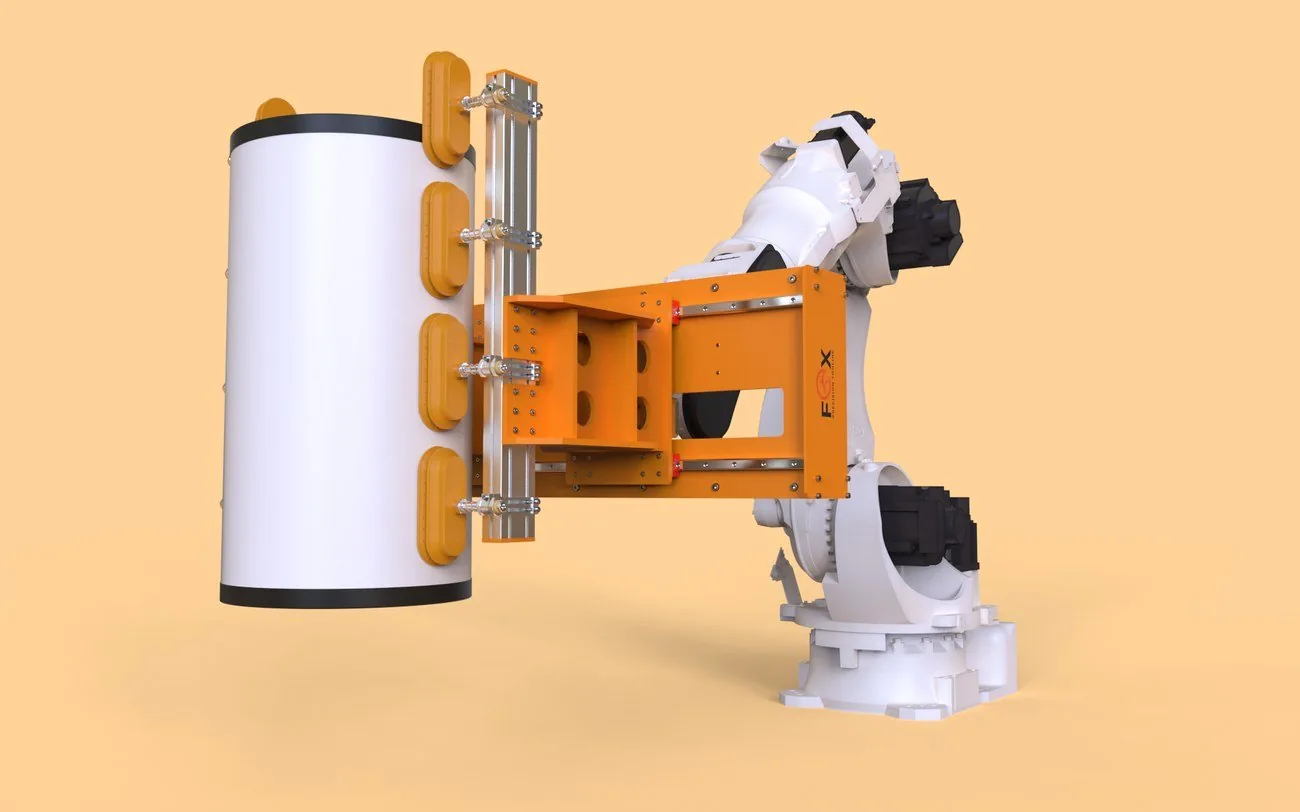
A six axis robot and a four-circuit adaptive vacuum EOAT that replaced a planned gantry and pallet conveyor, picking and palletising twelve different cylinder sizes for a machine builder's export line.
Twelve cylinder sizes, one line, and a conventional gantry system that would have had to be built around the largest one, all the time.

A machine builder came to us mid design, building a complete line to manufacture insulated hot water cylinders for heating systems in twelve different sizes, a real spread of heights and diameters, with the finished cell headed overseas once it was built. At the end of that line, something needed to pick each finished cylinder and palletise it ready for shipping. The original plan was a gantry system with pallet conveyors - the kind of layout that gets specified because it feels like the safe, conventional answer for handling large, awkward loads. But a gantry built to cover twelve cylinder sizes has to be built around the largest one, all the time, and every size in between is a compromise it just has to live with.

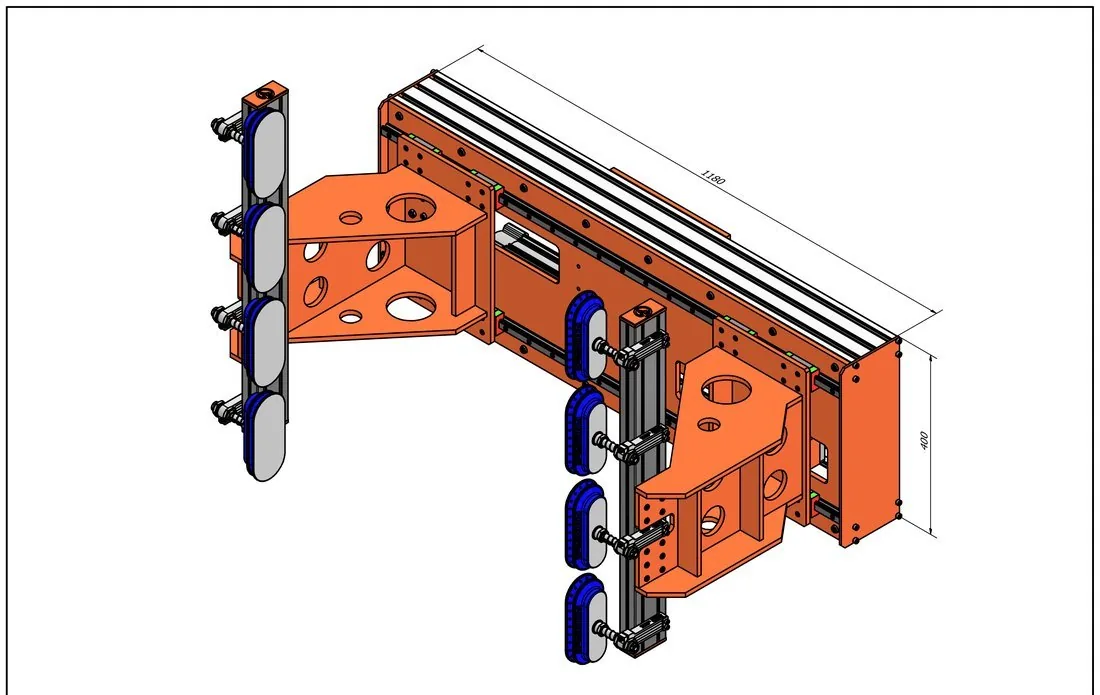
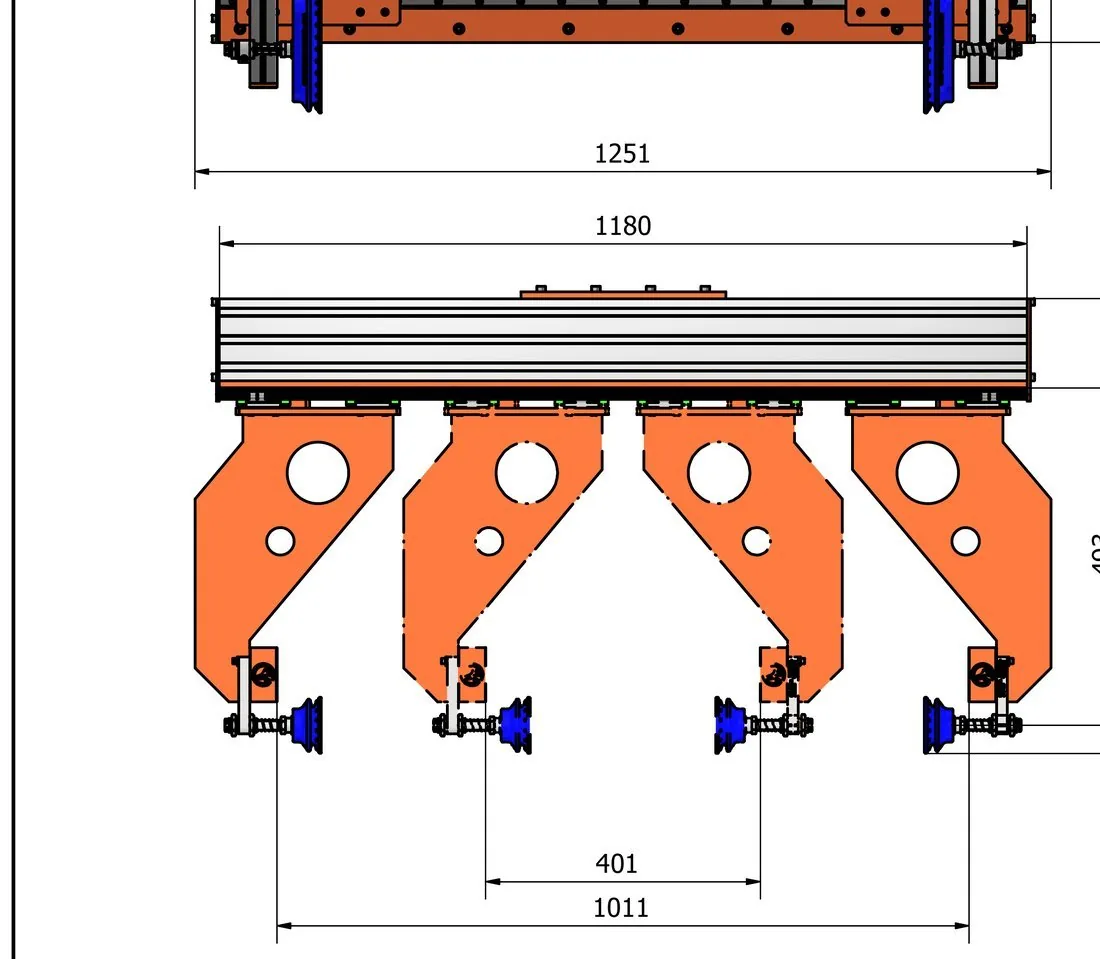
Rather than take the gantry brief at face value, we worked through a different approach in parallel: a six axis robot carrying an adaptive end of arm tool, instead of a fixed gantry and a conveyor built around pallet positions. Once both designs were costed properly, the robot cell came out more cost effective, not just more flexible. We designed an adaptive EOAT with four independent vacuum circuits, each working on its own rather than as a single fixed pattern, so the tool adjusts its effective pick footprint across the full range of cylinder heights and diameters on the line. We supplied and installed the robot, a Kawasaki BX165N six axis, along with the adaptive EOAT, directly into the machine builder's system.
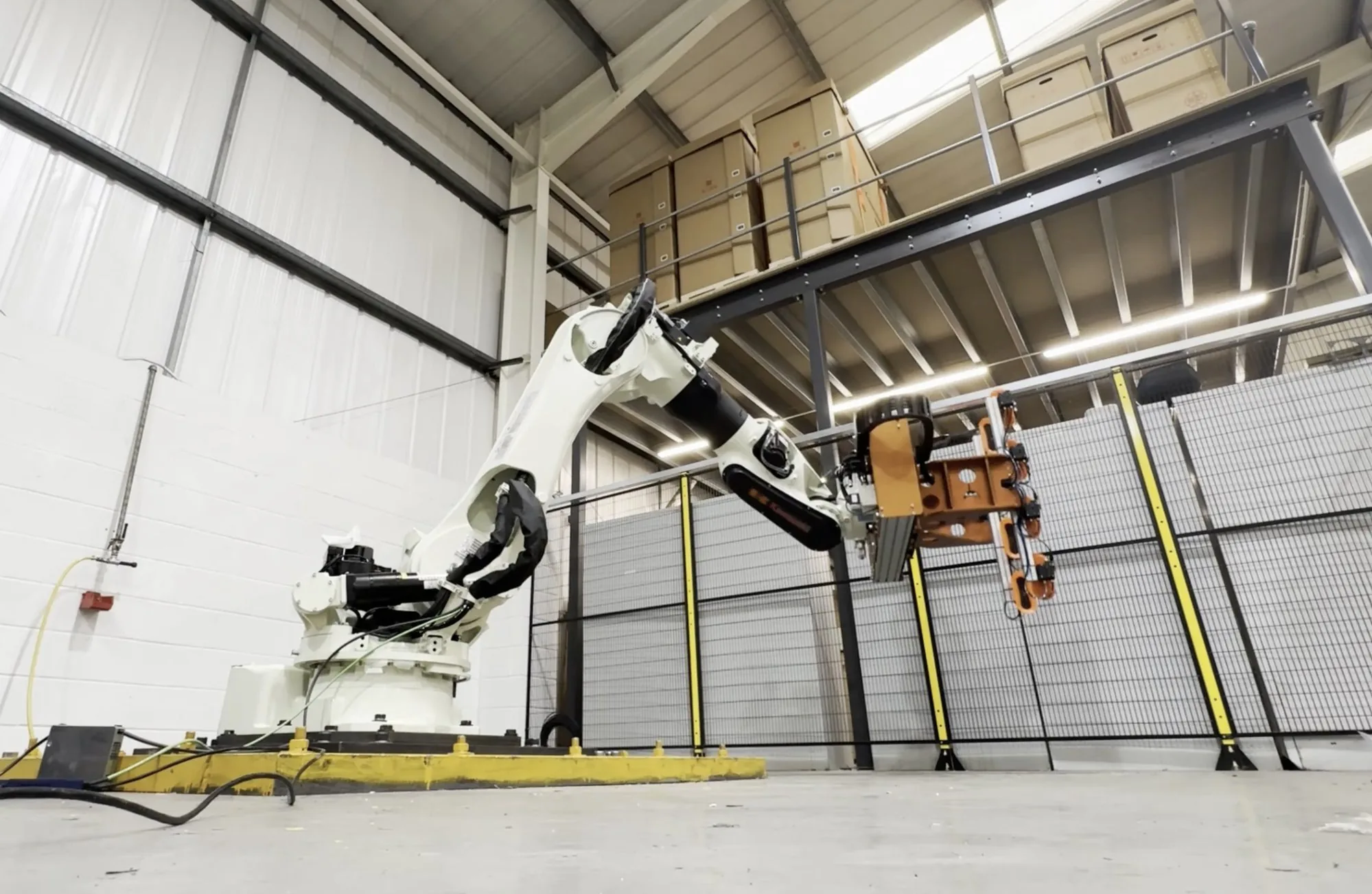
Each pick point runs its own vacuum circuit and slides independently along the beam, so the tool moves with the size instead of needing a different tool for every one.